
Successful Completion of the First DiGi-SEII Training Cycle for Social Enterprises
23 social enterprises completed a comprehensive digital skills and capacity-building programme.
Μπορείς να διαβάσεις την Ελληνική έκδοση αυτού του άρθρου εδώ.
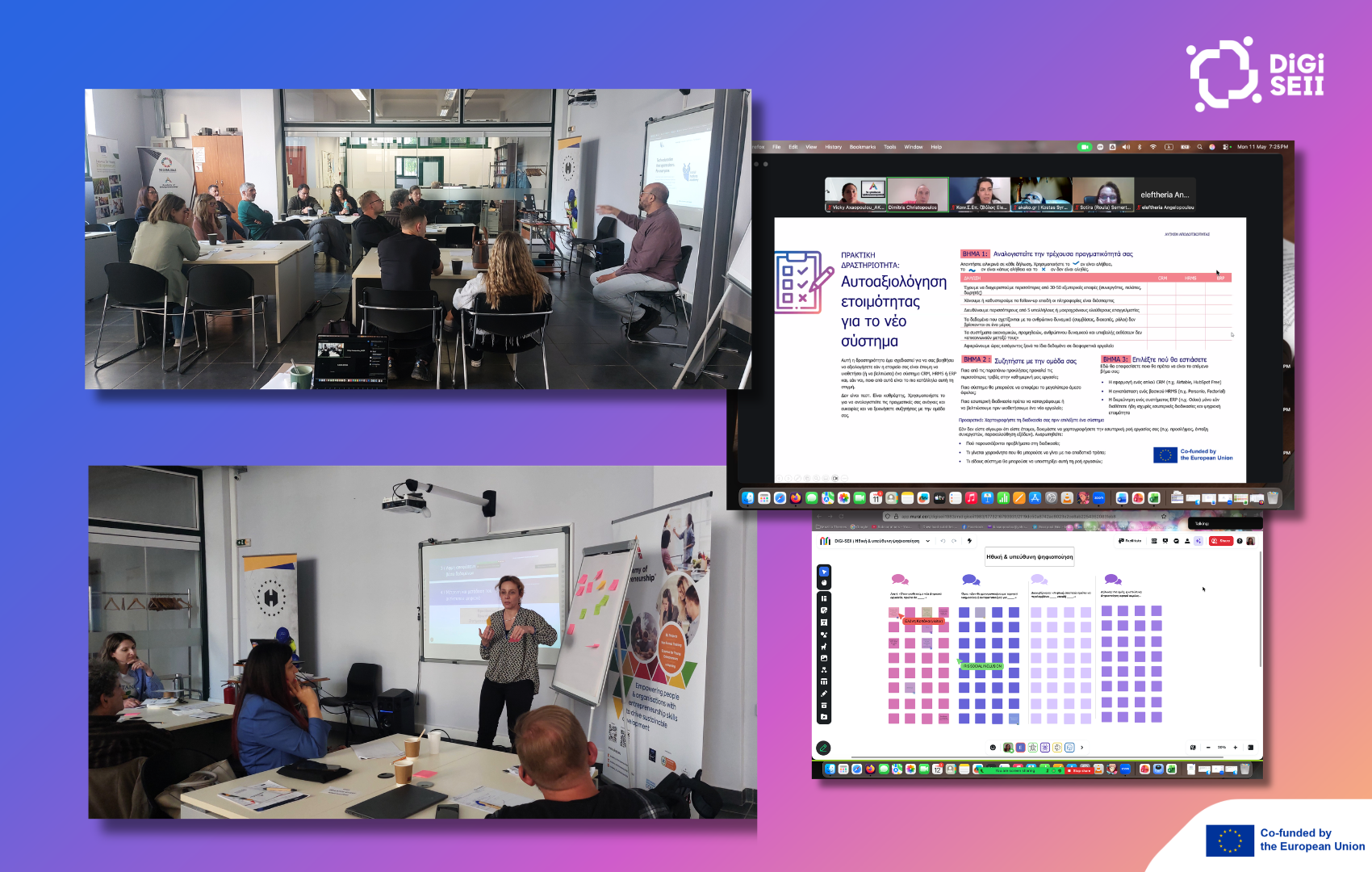
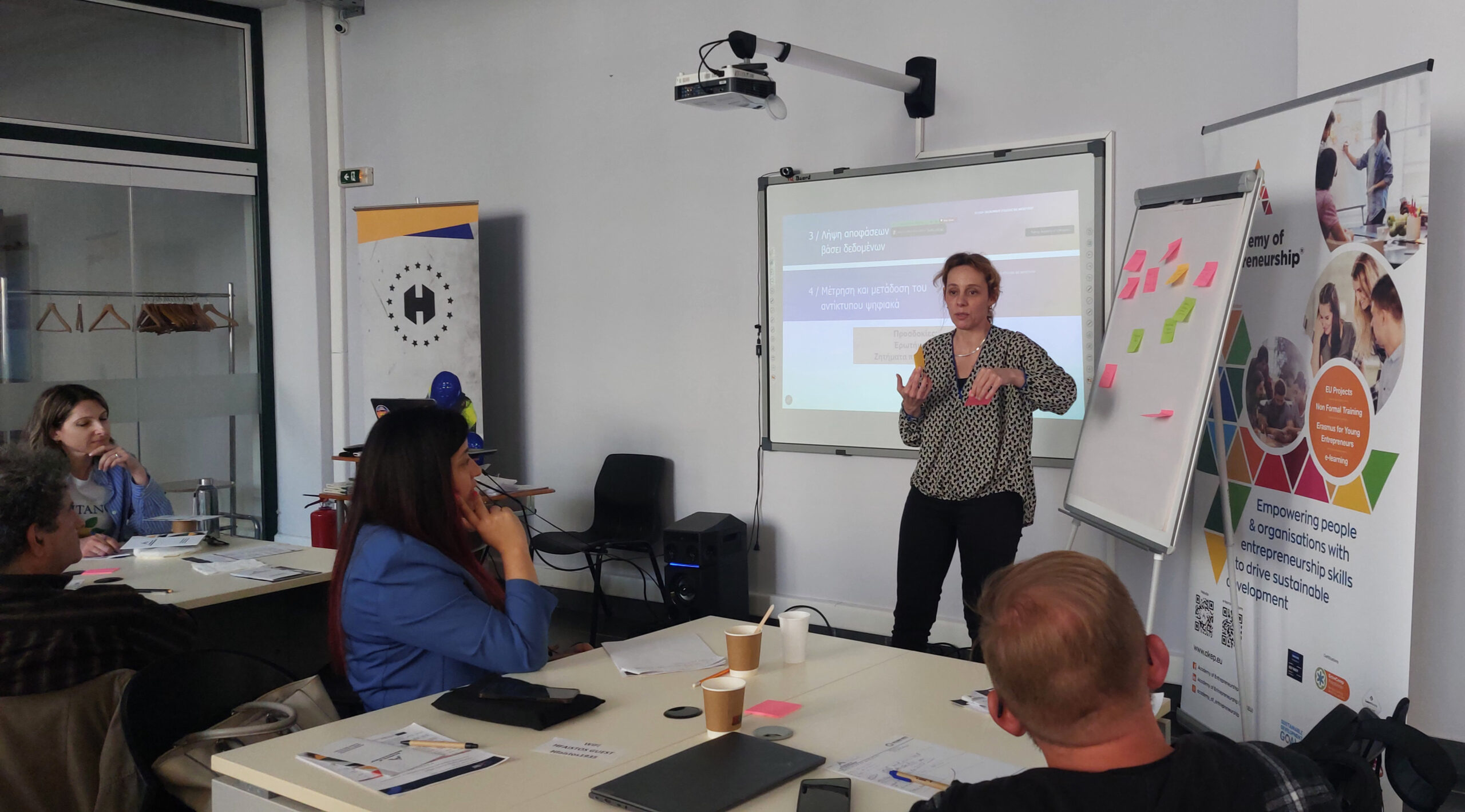
The Academy of Entrepreneurship successfully completed the first training cycle of the European DiGi-SEII project, supporting 23 social enterprises from a wide range of sectors and fields of social innovation in strengthening their digital capabilities and readiness for digital transformation.
The programme was designed to help social enterprises enhance their digital skills, improve organisational efficiency, adopt innovative digital tools, and increase their social impact. Through a combination of online learning, live training sessions, in-person workshops and peer-learning activities, participants followed a structured learning journey covering key aspects of digital transformation.
1. Digital Culture, Leadership, Ethics and Cybersecurity
The programme began with a series of modules focusing on the foundations of digital transformation:
- Digital Culture & Mindset
- Cybersecurity & Data Privacy
- Ethical & Responsible Digitalisation
- Digital Leadership & Collaboration
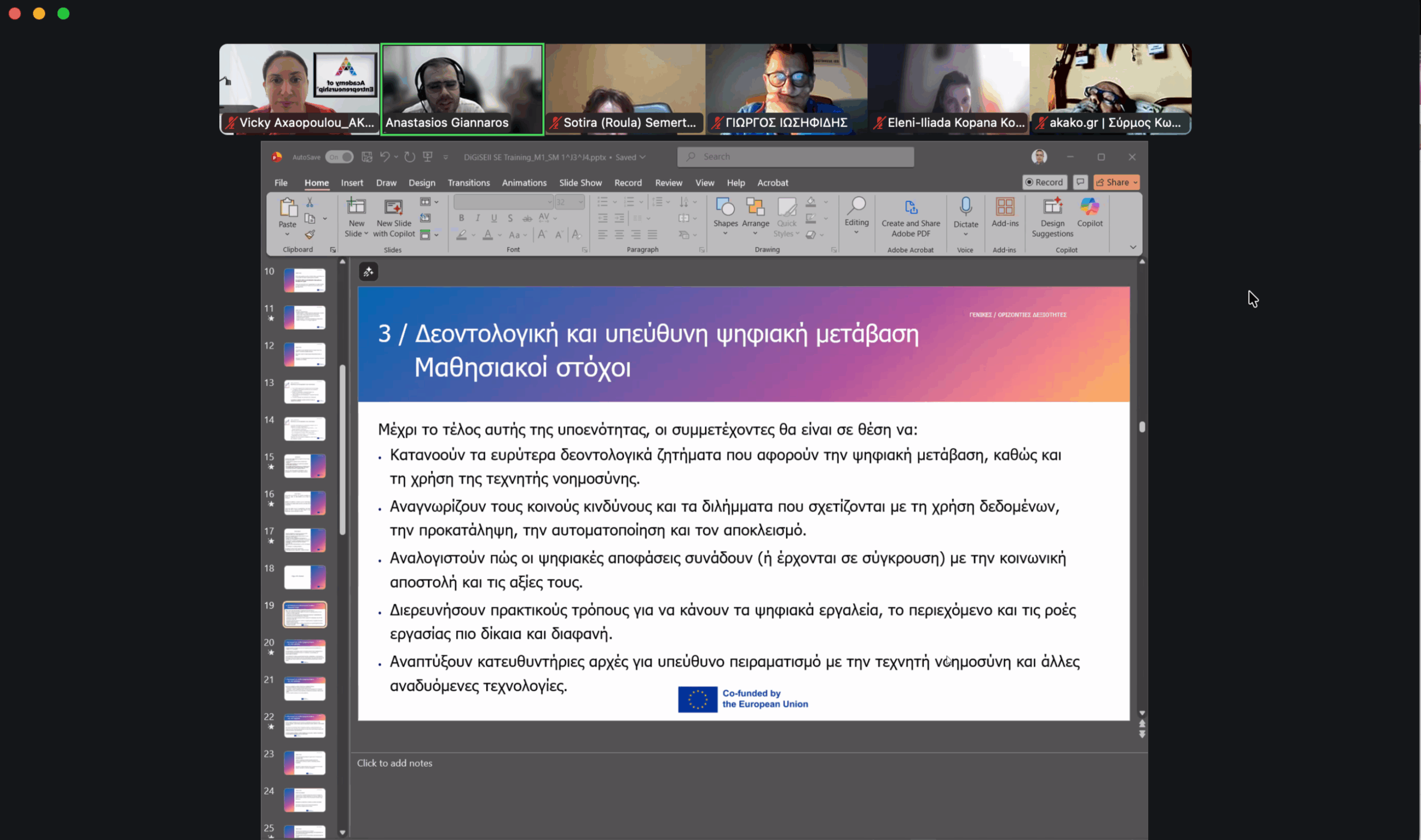
Participants explored how to foster a digital mindset within their organisations, lead digital change effectively, strengthen collaboration through digital tools, and ensure responsible and secure use of technology. Particular attention was given to data protection, cyber risks and the development of resilient digital practices.
Trainers:
- Anastasios Giannaros – ICT Expert
- Dimitrios Christopoulos – Business Applications Manager
2. Growing Organisational Efficiency
The second thematic area focused on improving organisational performance through digital tools and process optimisation.
Participants were trained on:
- Process Digitalisation
- Tool Selection & Implementation
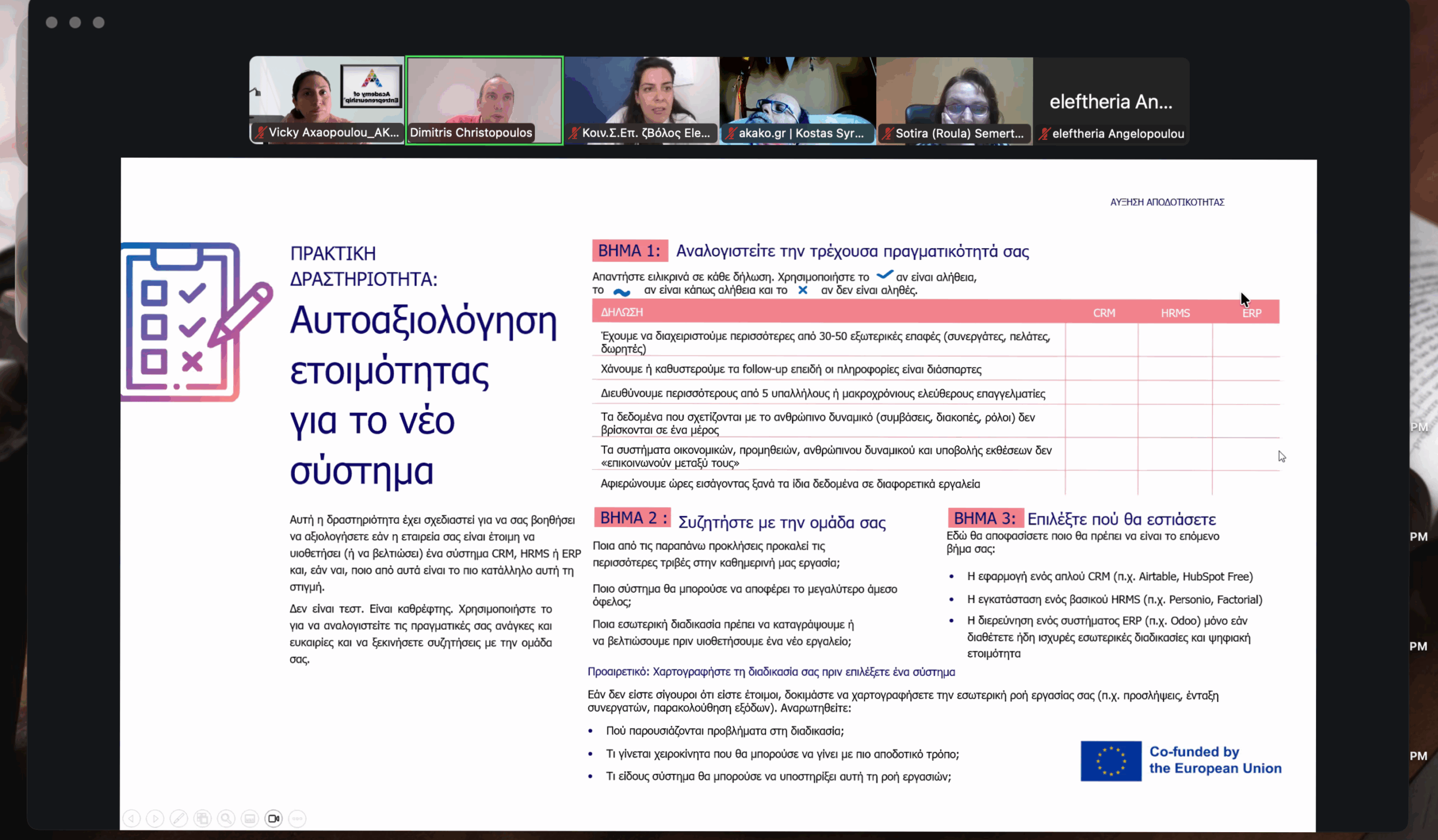
- CRM, HRMS & ERP Systems
- AI for Everyday Efficiency
- Digitalising Project Management
The sessions provided practical guidance on identifying organisational needs, selecting appropriate digital solutions, streamlining workflows and leveraging artificial intelligence to improve day-to-day operations and project delivery.
Trainers:
- Dimitris Panopoulos – Data Analyst
- Dimitrios Christopoulos – Business Applications Manager
- Anastasios Giannaros – ICT Expert
- Anastasia Zafeiropoulou – EU Project Manager
3. Increasing Economic Performance and Social Impact
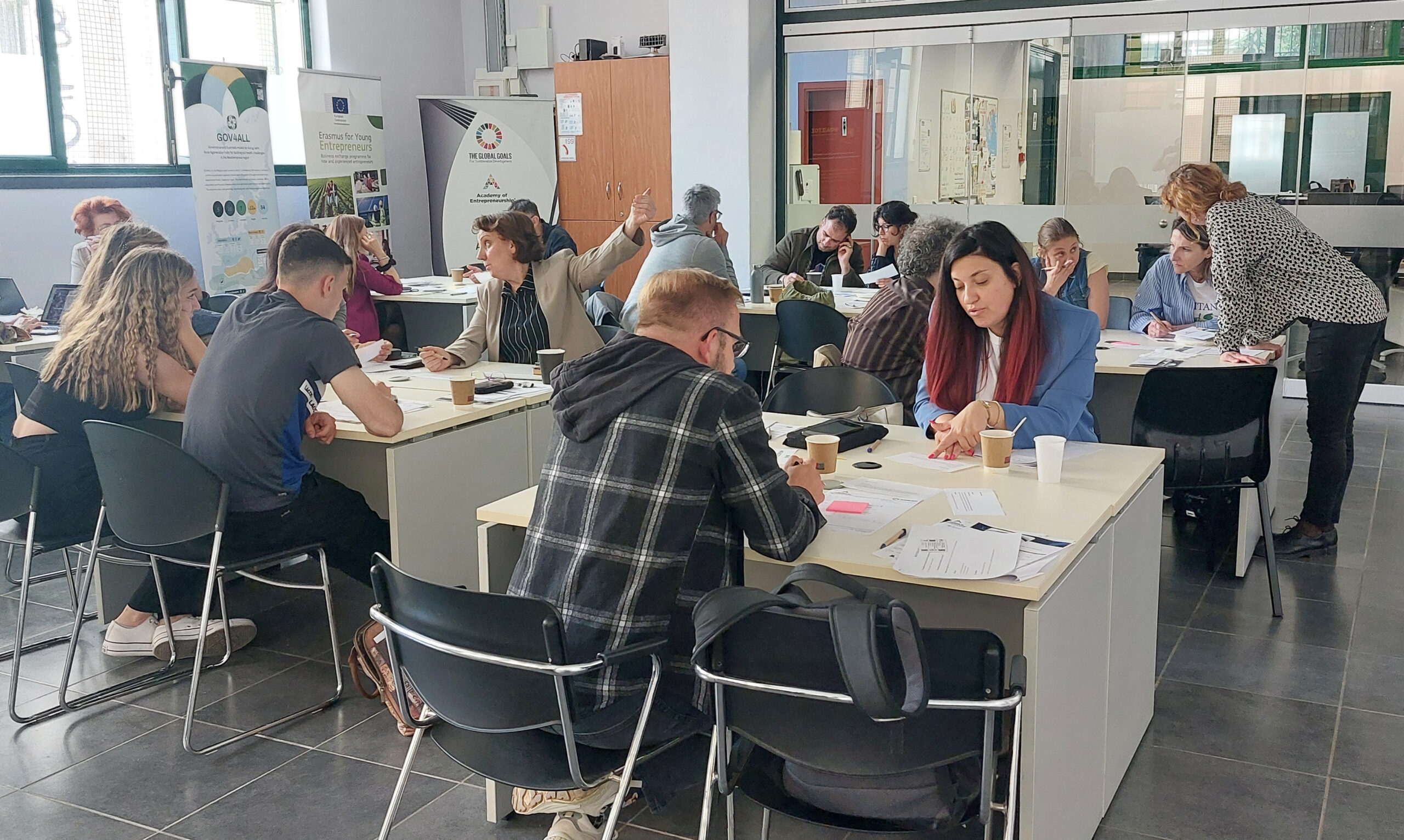
One of the most extensive parts of the programme focused on strengthening the economic sustainability and impact of social enterprises.
Participants explored:
- Digital Fundraising and Revenue Models
- Digital Marketing and Visibility
- Data-Driven Decision Making
- Digitalising Impact Measurement & Communication
- Integrating Financial & Accounting Tools
According to participant feedback, the digital marketing module was among the most valuable and immediately applicable parts of the programme.
Trainers:
- Andreas Stefanidis – Adult Educator / Management Accounting Specialist
- Vanessa Matsouka – Digital Marketing Strategist
- Glykeria Arapi – Monitoring & Evaluation Expert
4. Accessibility and Inclusive Design
The programme also addressed the importance of accessibility and inclusion in digital transformation.
Participants were introduced to:
- Inclusive Digital Design
- User Experience (UX) & Service Design
The sessions highlighted how organisations can design digital services that are accessible, user-friendly and responsive to the needs of diverse user groups, ensuring that no one is left behind in the digital transition.
Trainer:
- Anastasios Giannaros – ICT Expert
5. Green Digital Practices
The final module focused on sustainability and the role of technology in supporting environmentally responsible organisational practices.
Participants explored:
- Green Digital Practices
The training examined how social enterprises can reduce their environmental footprint and integrate sustainability considerations into their digital strategies and daily operations.
Trainer:
- Nikos Therapos – Sustainability Expert
Complementary Learning and Mentoring Activities
In addition to the core training modules, the programme included complementary learning and mentoring activities.
Damianos Vavanos, Co-Founder and CEO of the social enterprise Social Hackers Academy, shared digital tools and AI applications used in the daily operations of his organisation, presenting practical examples and insights from his own experience.
Participants also took part in a group mentoring session led by Andreas Stefanidis, focusing on financial management, organisational sustainability and strategic planning for social enterprises.
These activities complemented the training programme by providing additional practical knowledge and opportunities for peer learning and exchange.
What Participants Gained from the Programme
We would like to express our sincere gratitude to all trainers and experts who contributed their knowledge and experience throughout the programme, as well as to the 23 participating social enterprises for their active engagement, collaboration and commitment throughout the training journey.
Their participation helped create a vibrant learning community built on knowledge sharing, innovation and mutual support.

Αναστάσιος Γιάνναρος
ICT Expert
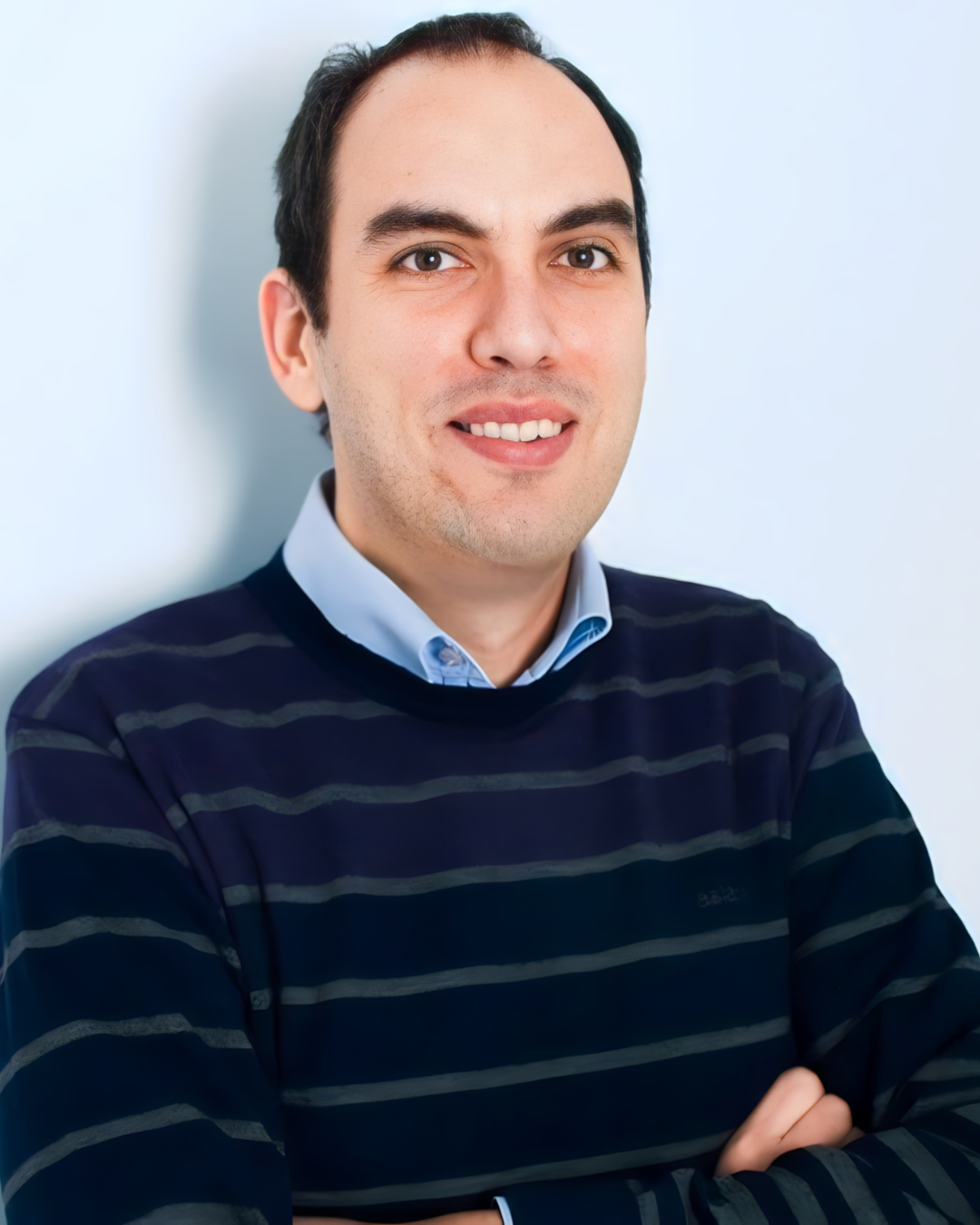
Δημήτριος Χριστόπουλος
Business Applications Manager
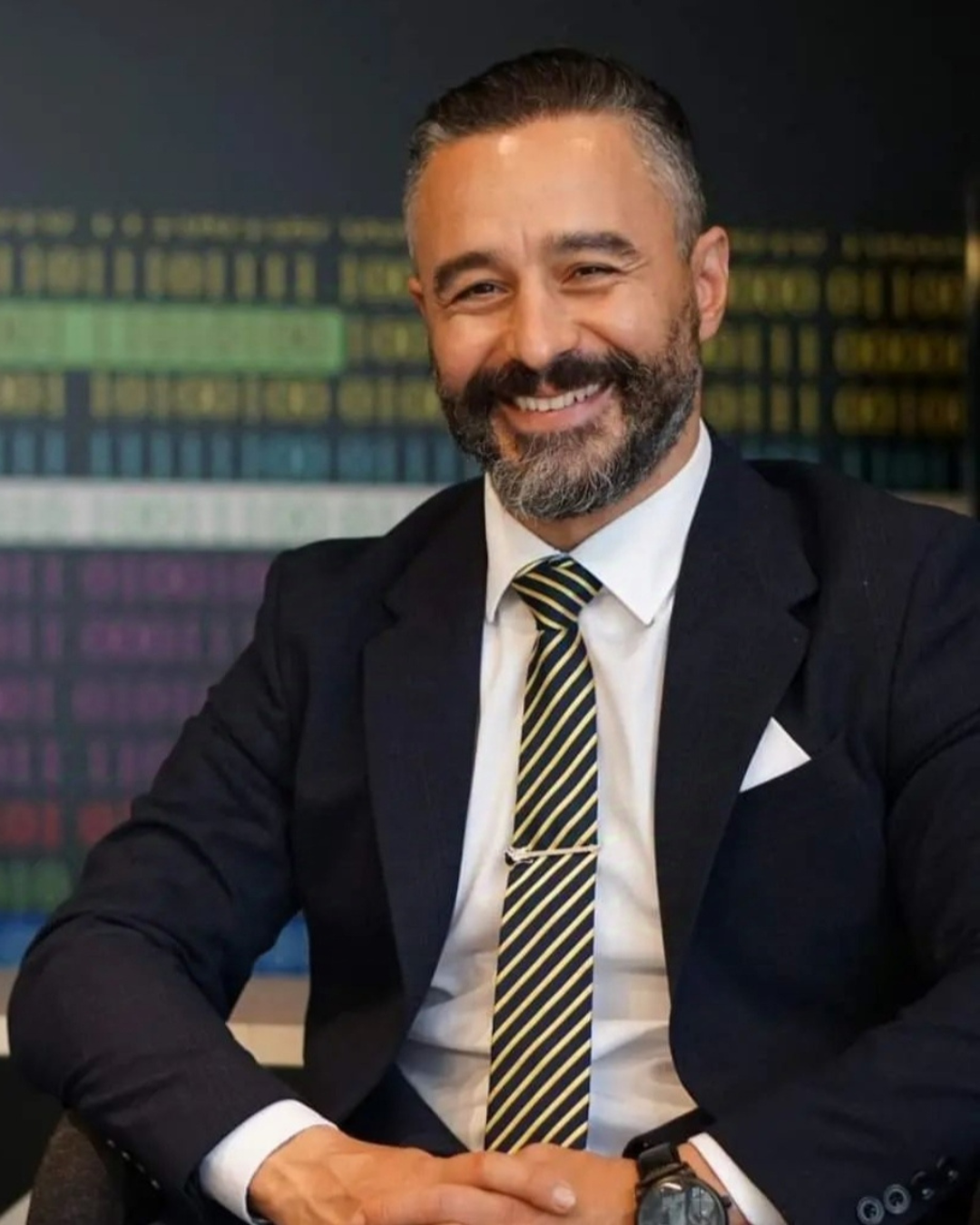
Δημήτρης Πανόπουλος
Labour Market Data Analyst
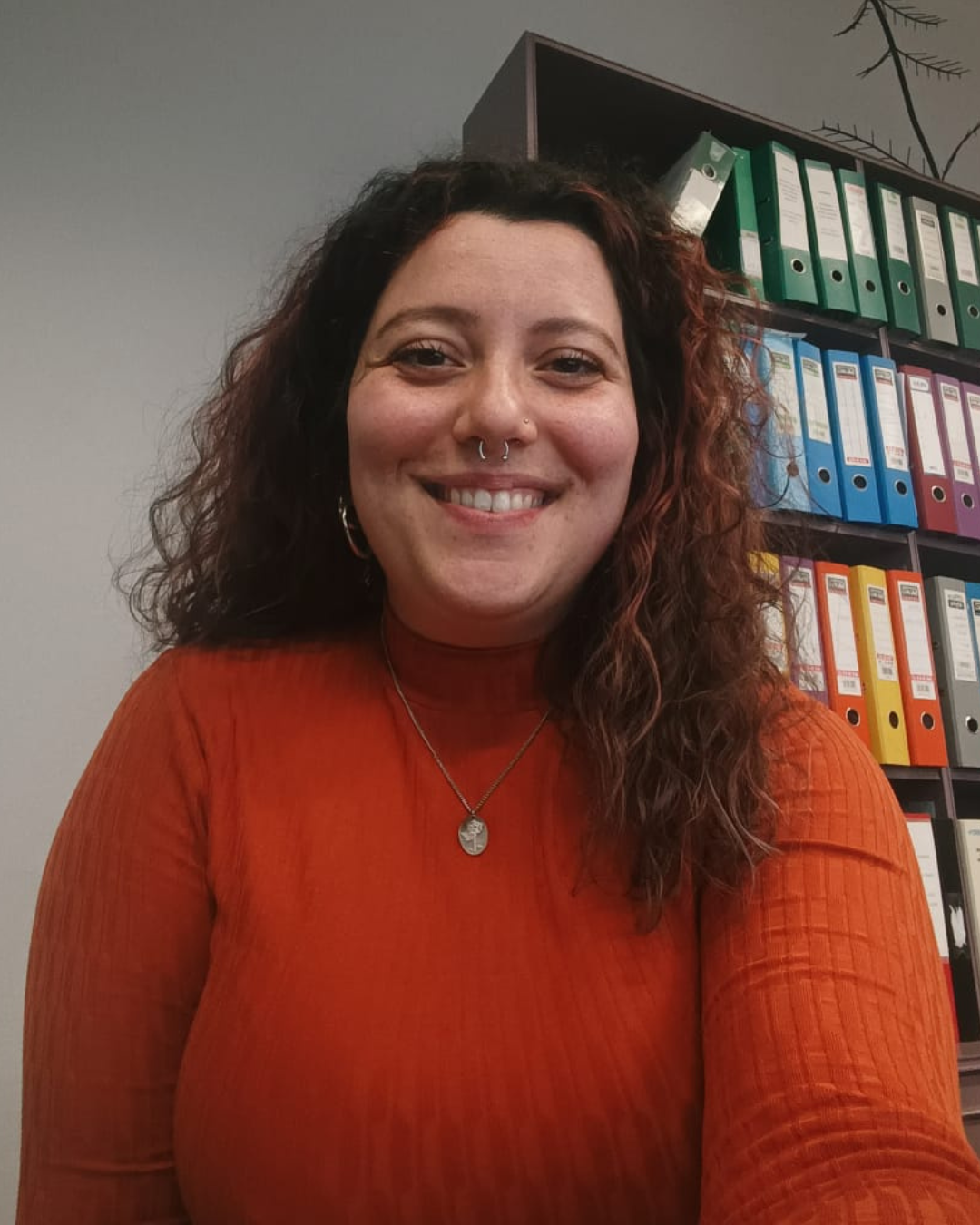
Αναστασία Ζαφειροπούλου
Project Manager

Γλυκερία Αράπη
Monitoring & Evaluation Expert
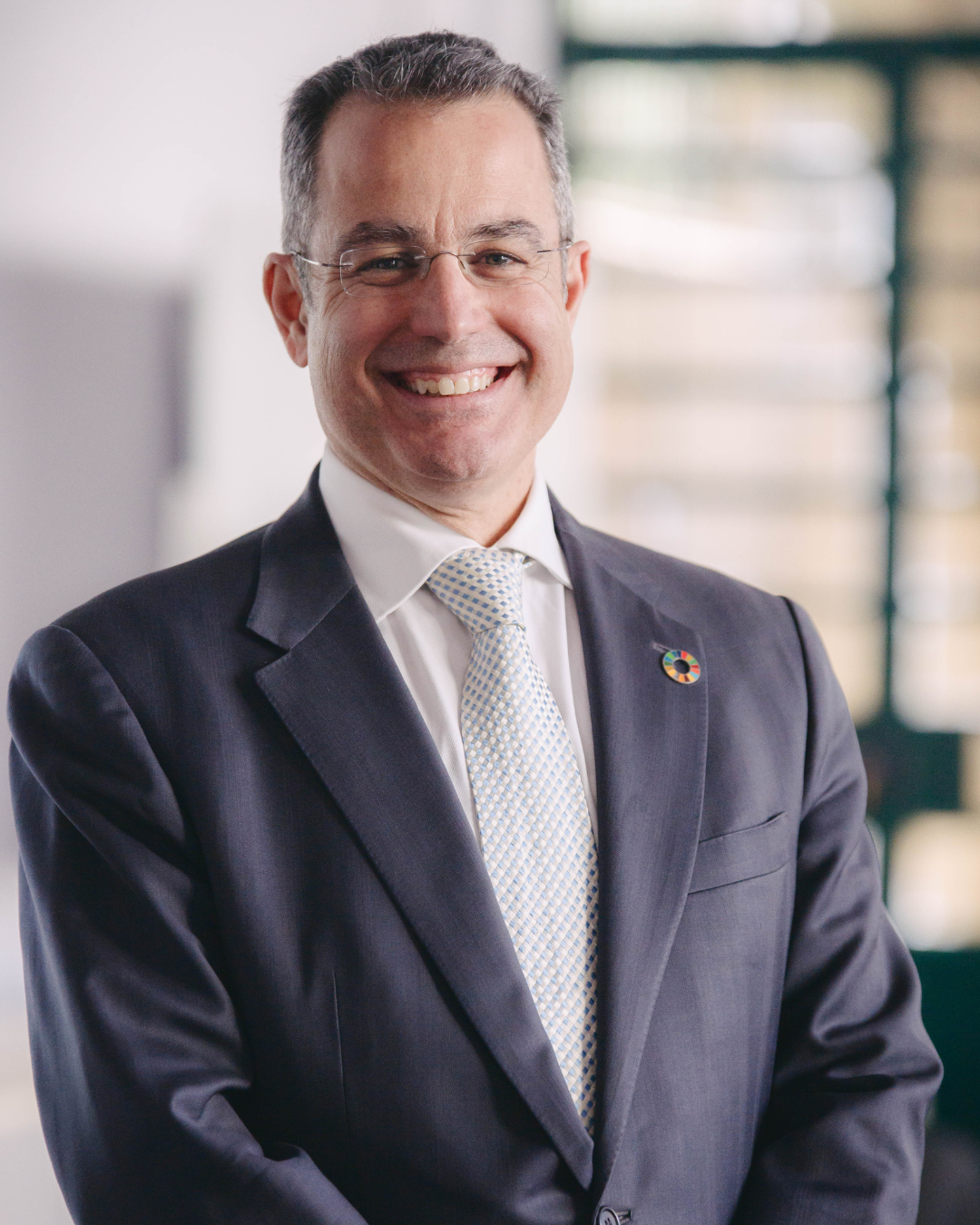
Ανδρέας Στεφανίδης
Εκπαιδευτής Ενηλίκων | Διοικητική Λογιστική

Βανέσσα Ματσούκα
Marketing & Events Strategist

Νίκος Θεραπός
Sustainability Expert
Next Steps
Applications for the second DiGi-SEII training cycle are expected to open in October 2026. Further information regarding the application process, eligibility criteria and upcoming training opportunities will be announced in due course by the Academy of Entrepreneurship.
We look forward to welcoming a new cohort of social enterprises and continuing to support the digital transformation of the social economy ecosystem across Europe.
For more information, please contact the DiGi SEII Project Manager, Ms. Axaopoulou, by email at secretariat@akep.eu.
Follow us to stay tuned!